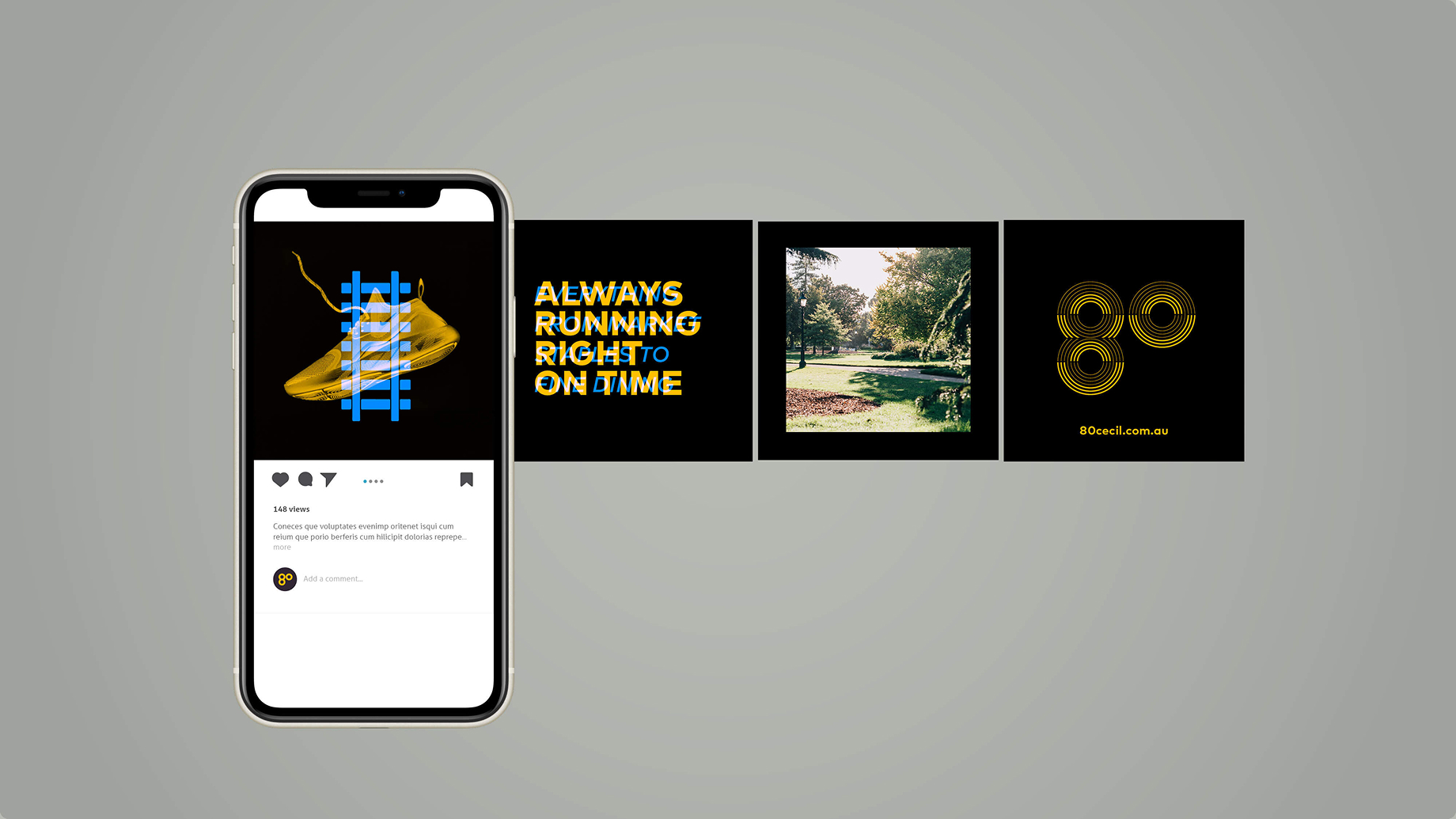
80 Cecil
A Diverse Community of Thinkers and Doers
When Melbourne-based developer GLG Group engaged Theola to brand their new A-grade commercial tower at 80 Cecil Street, the architecture was already exceptional with eight unique office levels centred around a living secret garden, sculpted atriums flooding every floor with natural light, and extensive terraces targeting 5 Star Green Star and 5 Star NABERS Energy ratings. The challenge was communicating a workplace this distinctive to a market still thinking in conventional commercial terms.
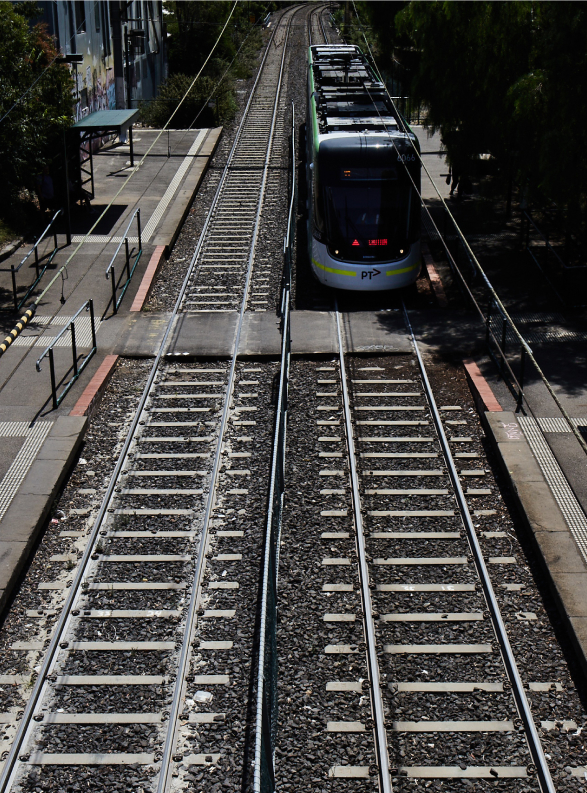
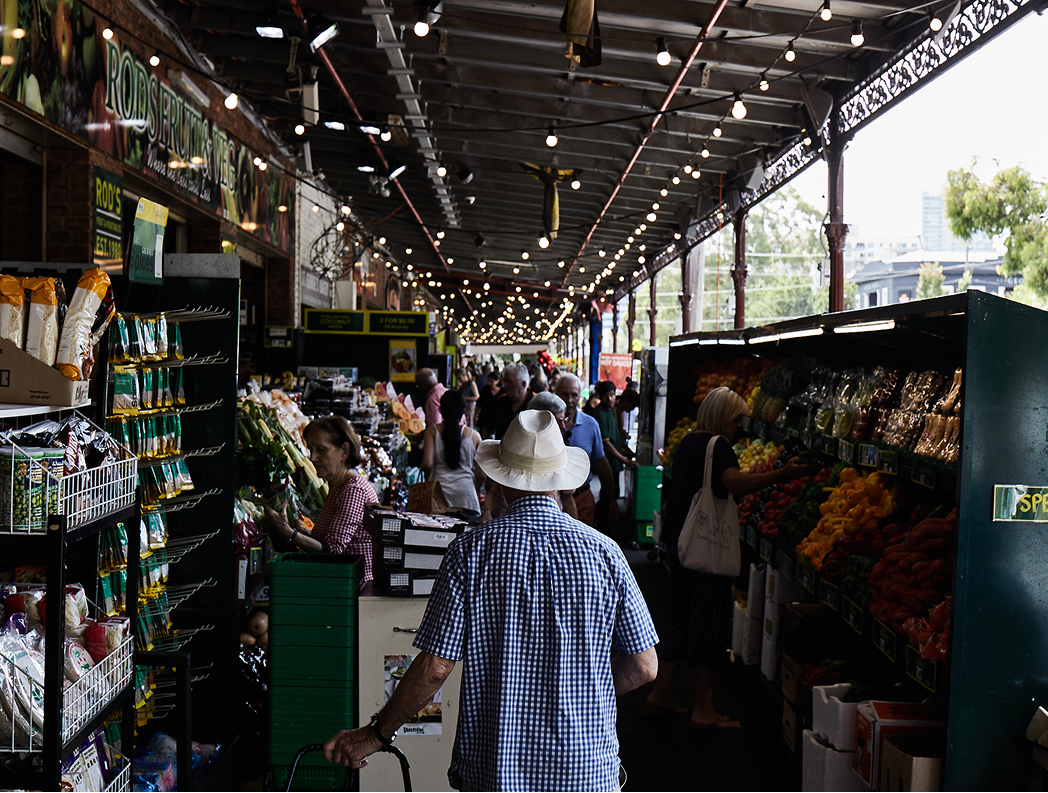
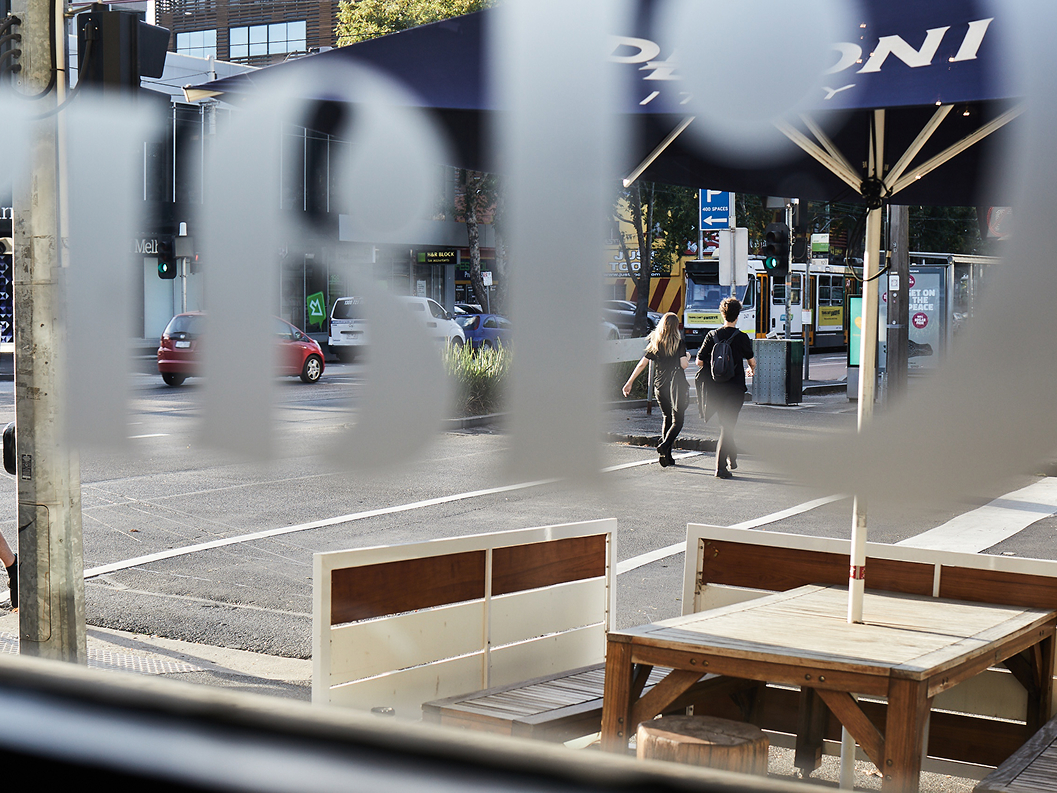
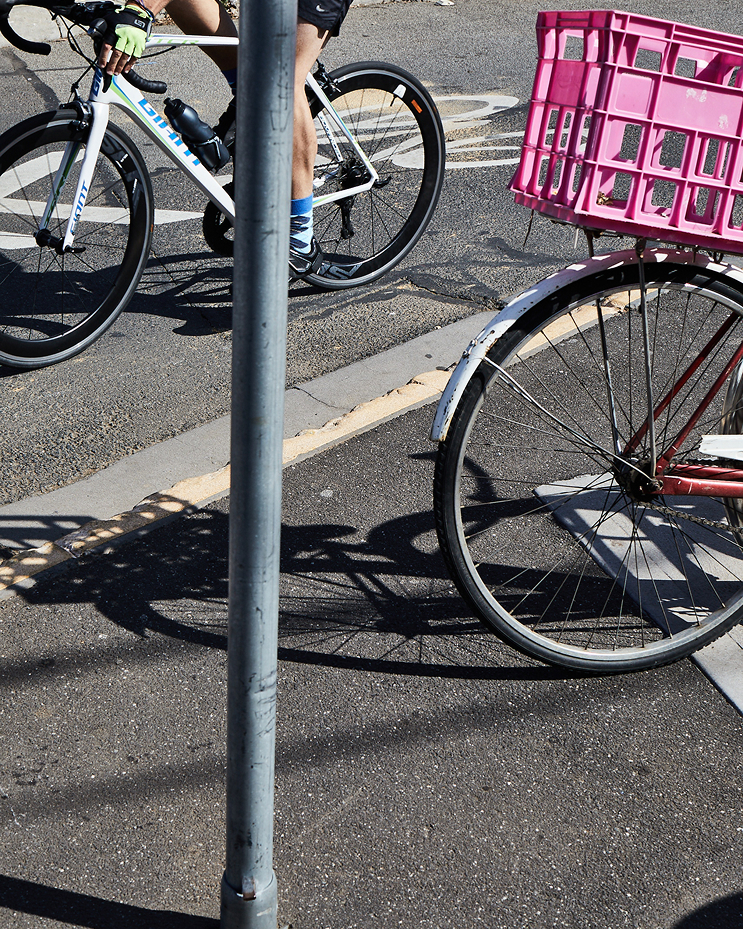
Theola identified a fundamental tension at the heart of how modern tenants chose offices: the desire for serious productivity alongside the energy and wellbeing of somewhere that actually feels alive. 80 Cecil, located opposite the South Melbourne Market, minutes from the CBD by light rail, with a dedicated bike path to the front door, could genuinely deliver both.

The insight
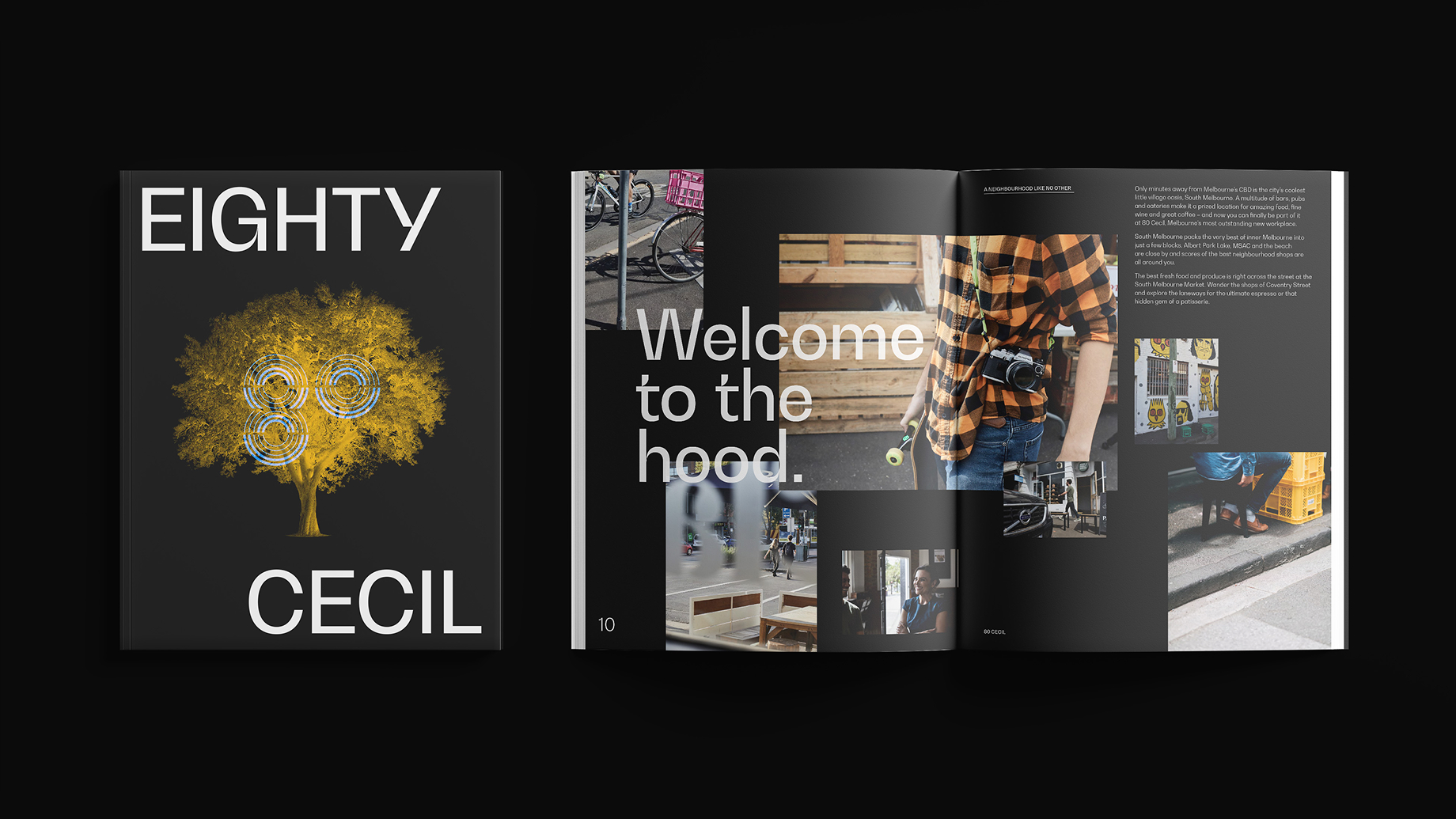
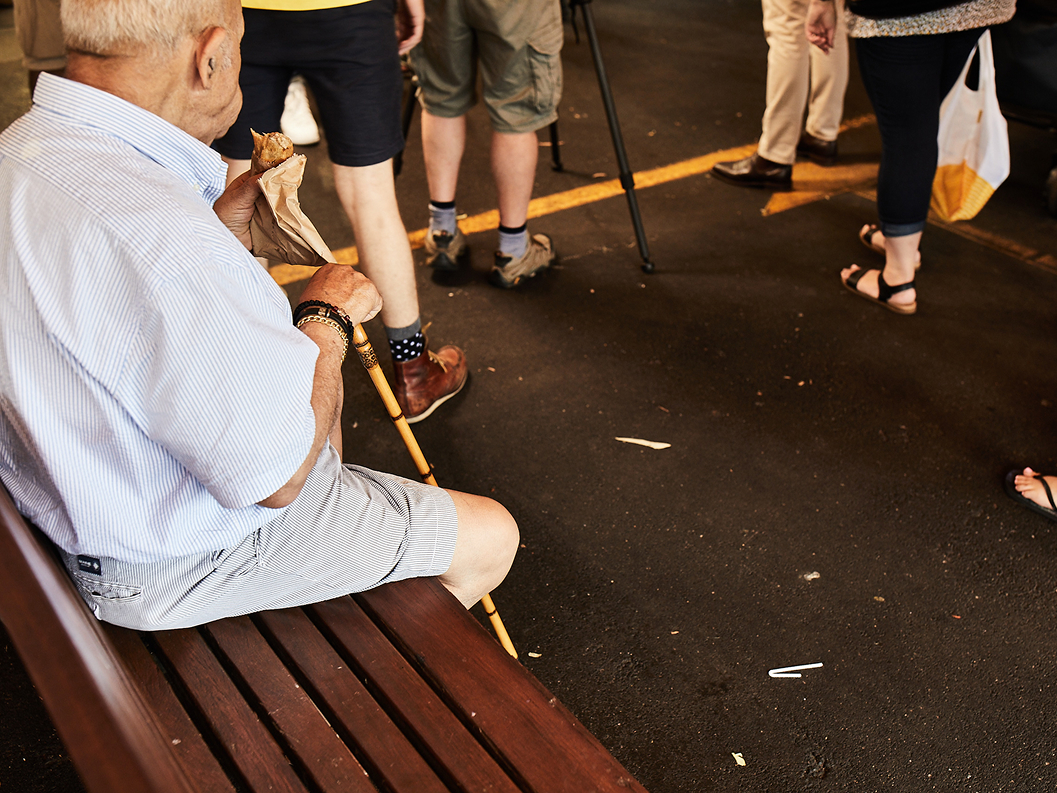
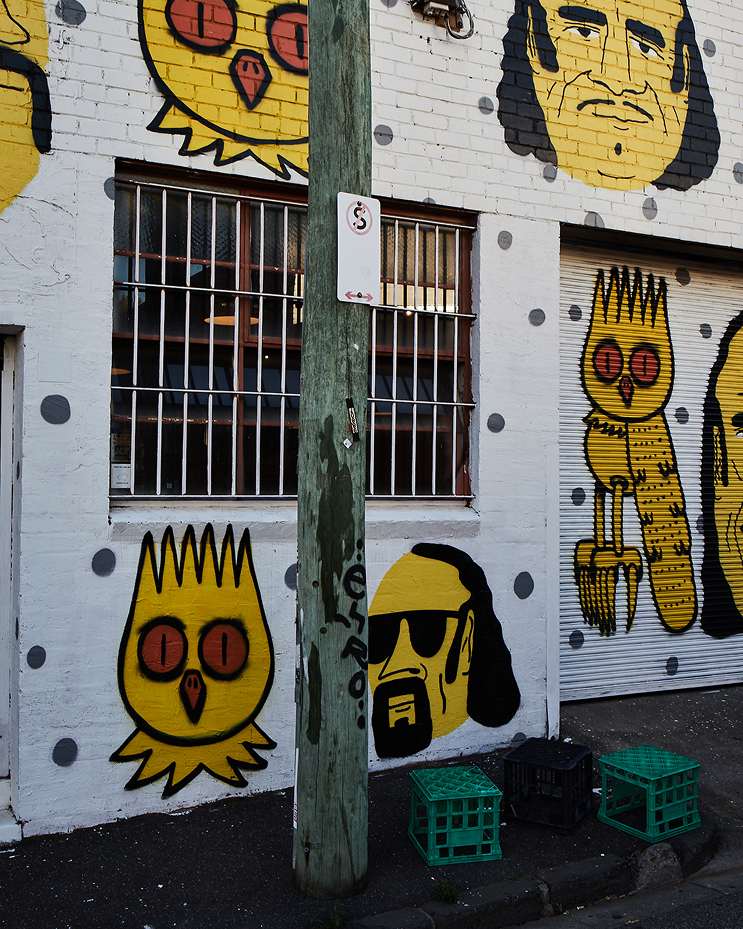
The commercial leasing market was converging on the same story of connected, sustainable and A-grade. 80 Cecil had all of that, but it also had something that couldn't be manufactured: a suburb with genuine soul. The South Melbourne Market, the light rail, the laneways, the independent cafés, these weren't amenity bullet points. They were the brand. The opportunity was to lead with the neighbourhood, not the spec sheet.
The idea
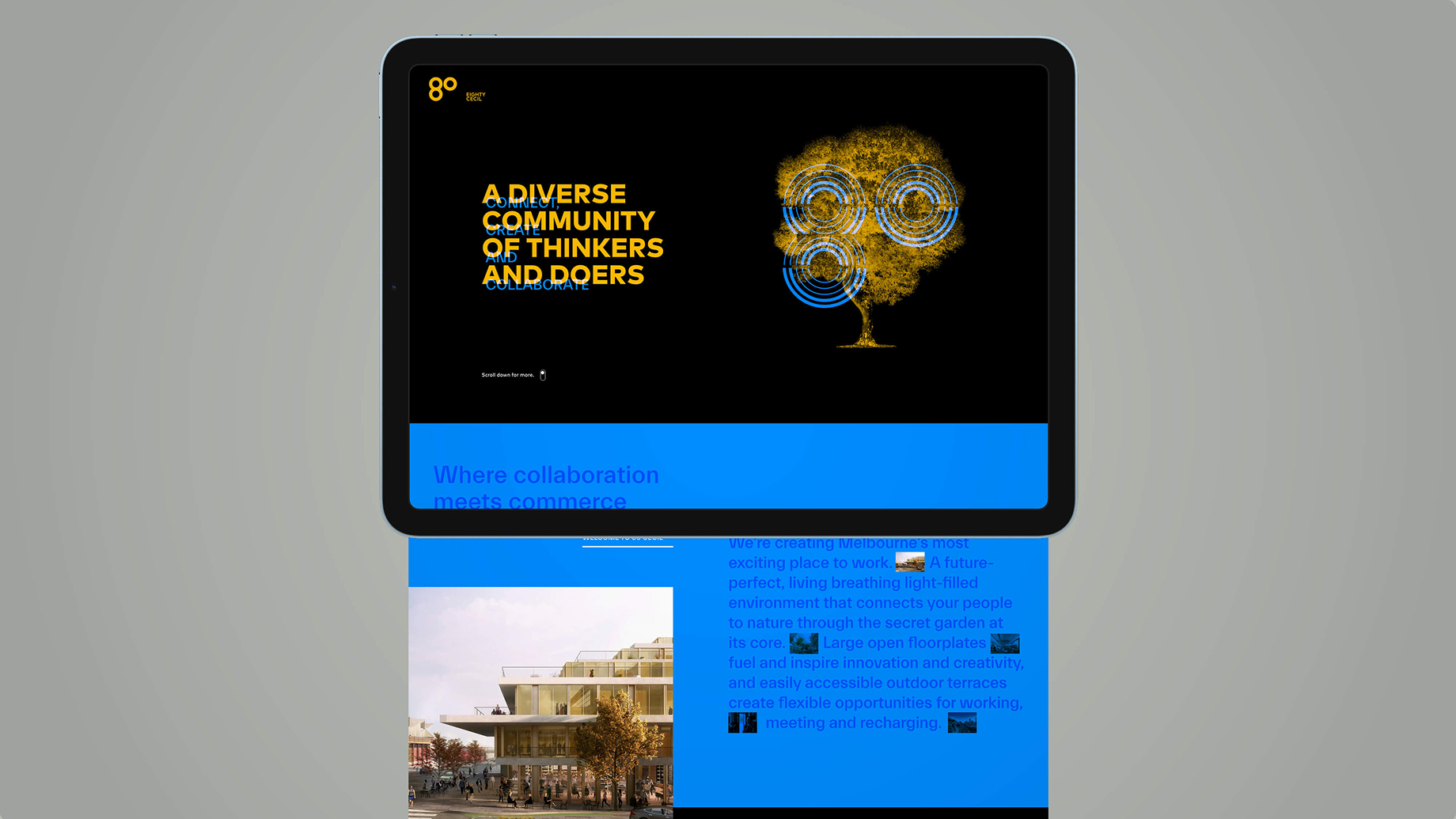
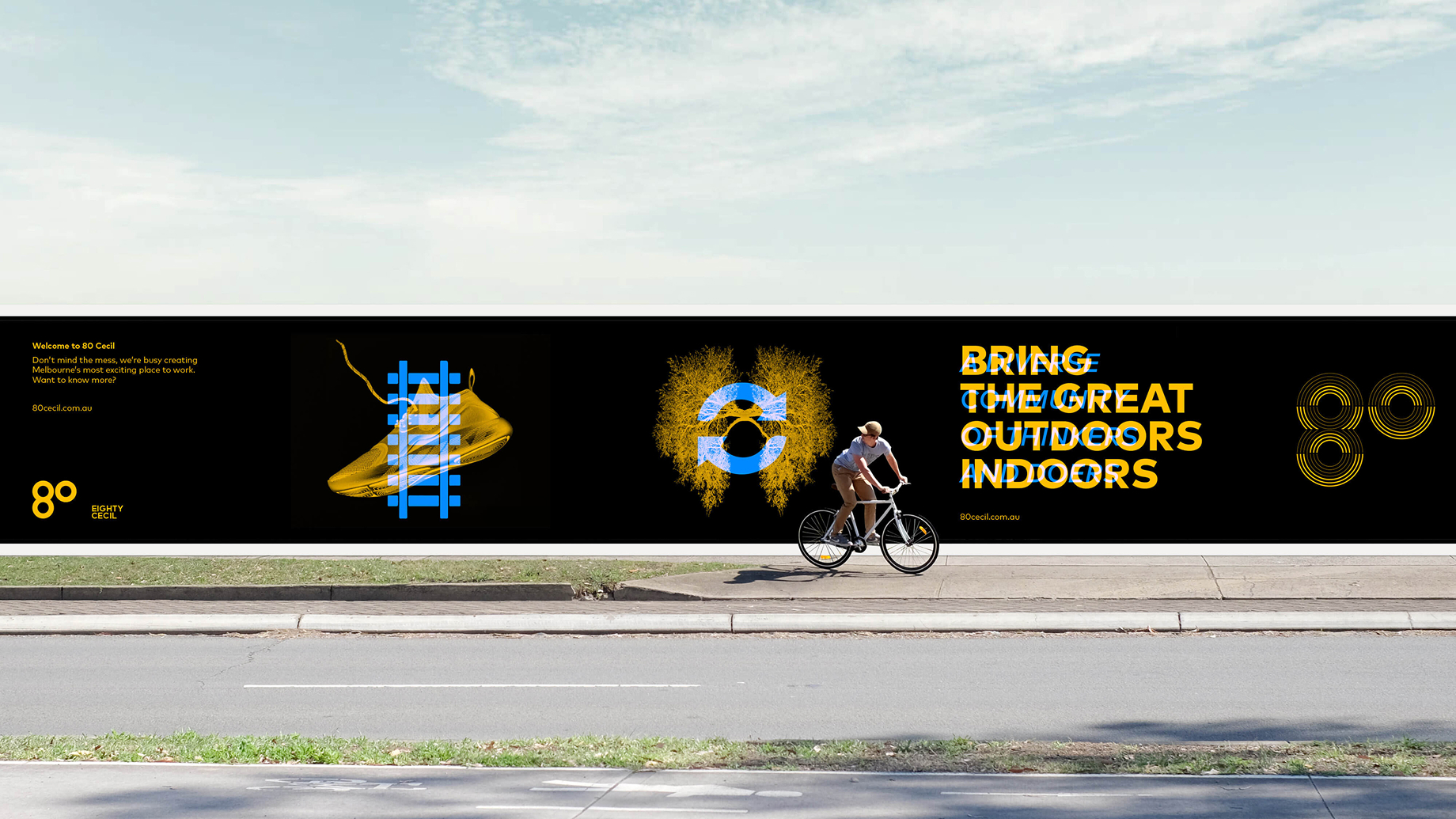
Positive friction. The productive energy that emerges when two seemingly opposite forces meet: nature and technology, solitude and spontaneity, the market and the boardroom. The logo itself embodied this: address numerals fused with a living tree, precision colliding with the organic. It gave the brand a conceptual frame that was immediately legible and entirely ownable.



The creative approach
Every touchpoint was built to feel like the building, energetic but grounded, bold but liveable. The hoarding declared itself before a brick was laid. The brand film took the pace of a South Melbourne workday - sprint, pause, taste, refuel, return - and turned it into a visceral argument for why place still matters. The result was a leasing campaign that behaved less like property marketing and more like a manifesto for a better way to work.